
Mi-8 Fuel Consumption per Flight Hour: What Affects the Estimate
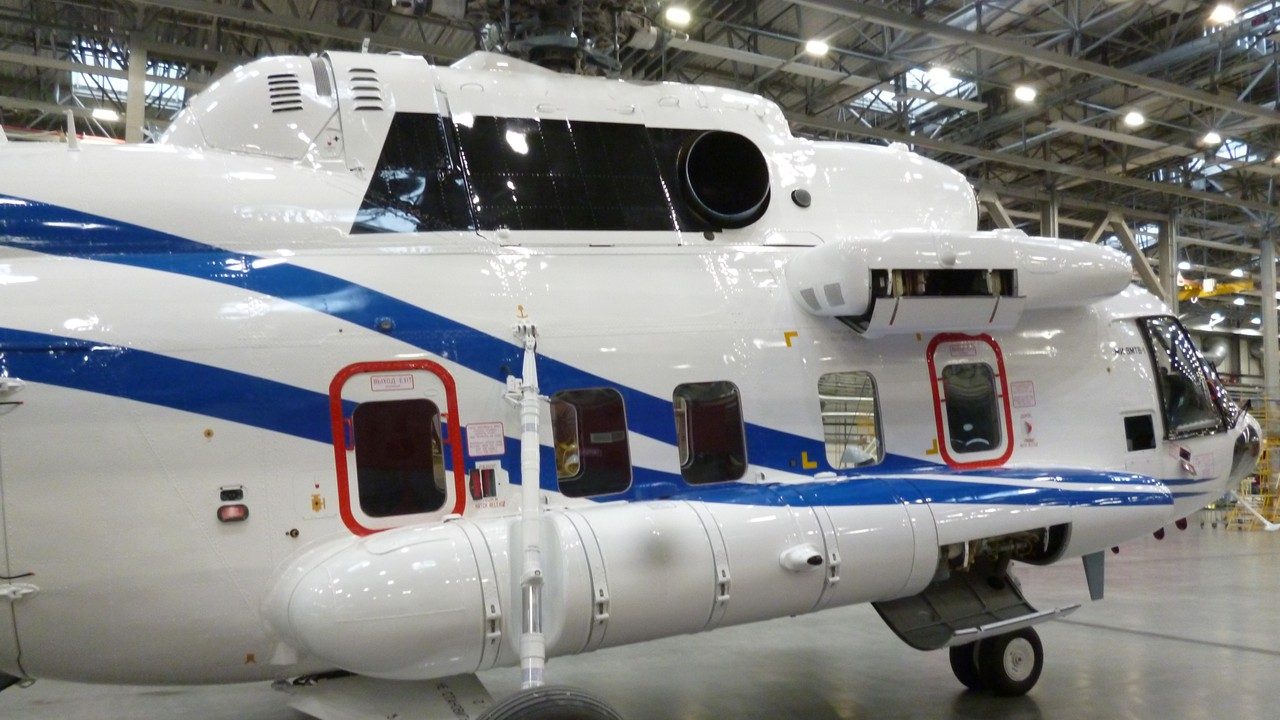
The search “Mi-8 fuel consumption per flight hour” sounds like a request for one figure. For a specific flight, the operator ties the estimate to the aircraft variant, configuration, and programme. Rostec says the Mi-8MTV-1 can be equipped with auxiliary tanks; its Mi-8AMTSh-VA trial report notes that consumption was assessed under different loading options. Ask for an estimate for the actual route legs and clarify which amount is included in the operator’s proposal. See the official reports on the Mi-8MTV-1 and Mi-8AMTSh-VA flight trials.
Start with a practical question: is fuel included in the quoted price, or shown separately? If it is separate, ask which part of the programme the amount covers: positioning, the main route, waiting, return, or a refuelling stop. This makes proposals easier to compare on equal terms. You can read this alongside our guide to what goes into a Mi-8 hourly bill.
Why quotes differ
Fuel use depends on the specific aircraft, its configuration, and how a particular task is flown. The commercial estimate also reflects route length and profile, the number of legs, ground waiting, and any positioning flight. Another question is whether a suitable refuelling stop can be agreed along the route. If it cannot, the operator may propose a different programme or an intermediate site. There is no automatic solution: the operator assesses the requested dates and locations.
Two estimates are not comparable if one includes aircraft positioning and waiting while the other lists only the main airborne time. Do not rebuild the quote using a guessed “litres per hour” multiplier. Ask for the same breakdown from each operator and make sure the route, passenger count, time on the ground, and cancellation or rescheduling terms match.
What to include in the request
To reduce follow-up, send the operator:
- the date, time window, and a backup day;
- departure, landing, and final locations;
- passenger count and baggage details;
- planned time at each site;
- any known access or opening-time constraints;
- a request to separate included and variable price components;
- the conditions that could change the amount after the route is reviewed.
Ask whether positioning, return, waiting, and intermediate stops are included. If the estimate changes when a stop is added or ground time is extended, ask which item changed the price. This is more useful than comparing only a total or a single fuel figure.
How to compare two proposals
Use the same checklist for both: are the date and route identical, is positioning included, how is waiting priced, are fuel stops accounted for, and which parts may be recalculated if the programme changes? If those details are missing, ask for clarification before choosing. “Fuel included” alone does not explain whether the price covers the full route and aircraft positioning.
Actual terms depend on the specific flight and the operator’s assessment. This checklist helps prepare a request and review a commercial proposal; it does not replace an operational calculation or the operator’s confirmation.
Frequently asked questions
Can I compare charter offers by fuel burn alone?
No. Compare the same route, positioning, waiting, stops, and price-change terms. Fuel depends on the aircraft and programme.
Is fuel always included in an hourly rate?
There is no single rule for every proposal. Ask whether fuel is included and which flight stages the quote covers.
Discuss your charter request
Share the route, dates, passengers, and programme details. The operator will review the request and prepare a proposal.
Send a request