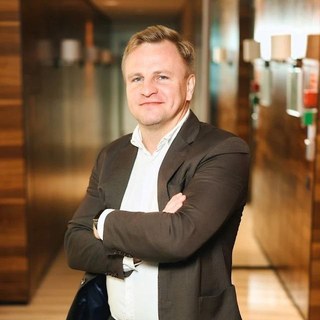
Twelve years in aviation: five of them in aircraft leasing, seven in business aviation, including an airline I built from scratch and then ran. I do the same things I write about: I find and buy aircraft, put them into service and operate them.
It began not in a hangar but in the numbers. Hence the habit of looking at an aircraft as an asset with revenues and costs, rather than as an entry in a catalogue.
Transactions, collateral, residual value, what the lessor requires of the aircraft and of the borrower. This is where you see what the cost of ownership is actually made of.
Putting aircraft into service, paperwork, deadlines, contractors. A project counts as done not on the day of signature but on the day of the first flight.
An airline built from scratch: from the business model and the fleet through to the manuals, the nominated postholders and the air operator certificate.
That route explains the approach. Someone who came into aviation from finance reads an aircraft invoice as a financial document: he sees which cost is a one-off and which is the start of a long-running line item, and why an aircraft with an attractive price can turn out to be the most expensive one to keep.
Building a carrier from the business model through to the AOC: the legal entity, the fleet, manuals and procedures, nominated postholders, the maintenance base, certification.
HondaJet — including moving the aircraft from the Maltese register to the Russian one. AW169. Introducing a type is not about the aircraft: it is about documentation, the maintenance programme, training for crews and engineers, approvals.
Work for a client: from choosing the site and obtaining the approvals through to entry into service. This is where it most often goes wrong for those who try to build a site on their own.
Mi-8, Airbus Helicopters machines, Bombardier Global, Embraer Legacy: selection, inspection, running the transaction, import and registration, entry into service.
Models of aviation businesses for owners, investors and financing parties: the cost of a flight hour, the economics of the fleet and the network, the break-even point.
Operating aircraft is what I do, not something I have read about. That is why the calculation includes engine and airframe reserves, repositioning flights and downtime — the lines that polished presentations usually leave out.
Below 100–150 flight hours a year, owning an aircraft almost always loses to charter. Saying so before the deal is more honest than closing it and walking away.
A transaction ends not with the signature but with entry into service: crew, maintenance, paperwork, insurance, the first year of running the aircraft.
Tell me what you need and I will answer personally. If it is not my kind of task, I will say so plainly and name the people who do handle it.